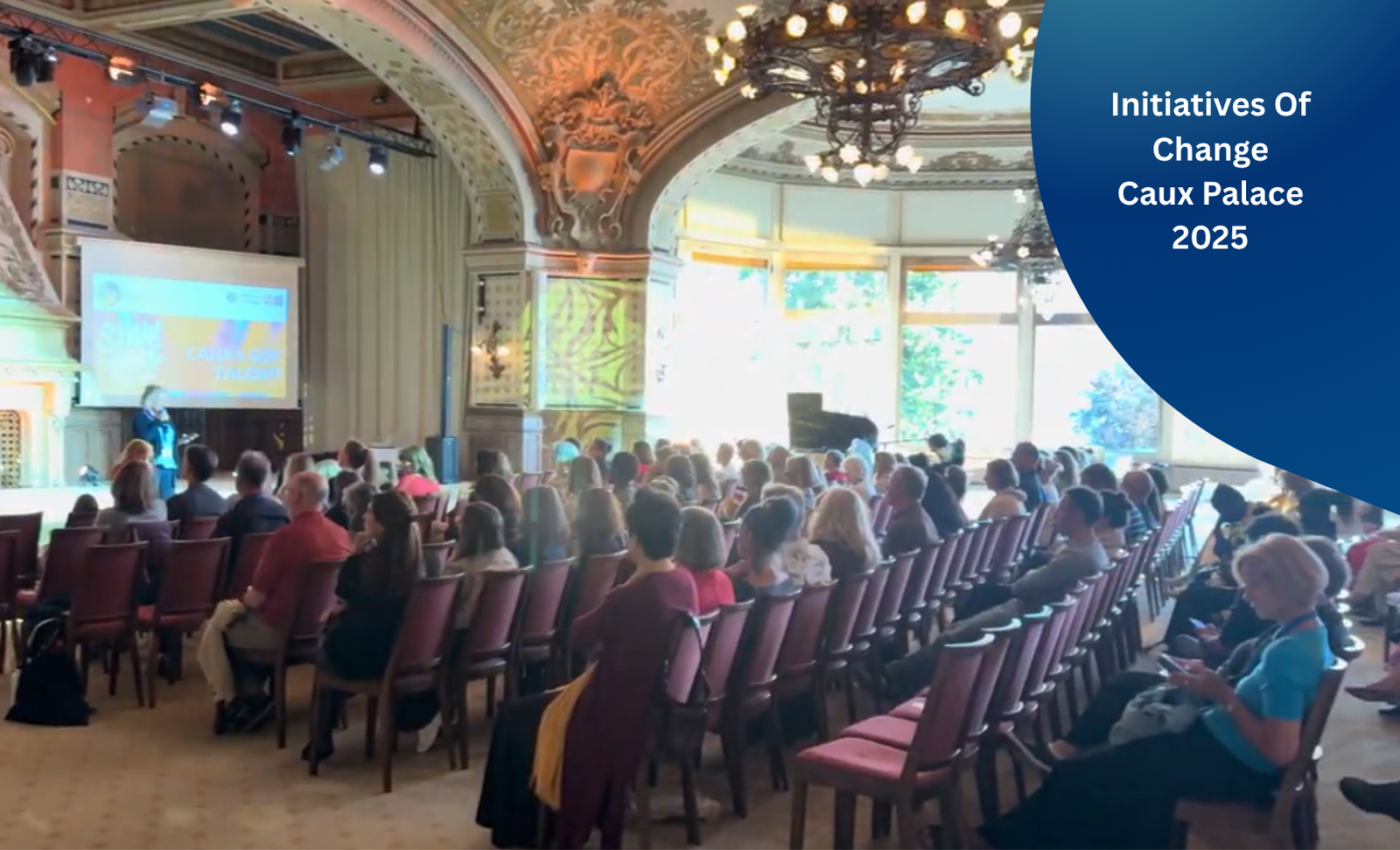
Dr. Motaghy has been speaking and training organizations since 2008
Keynotes & Trainings for Thriving Individuals and Systems

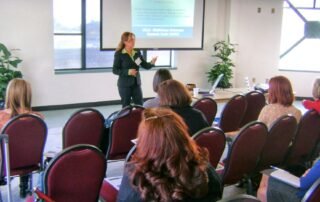



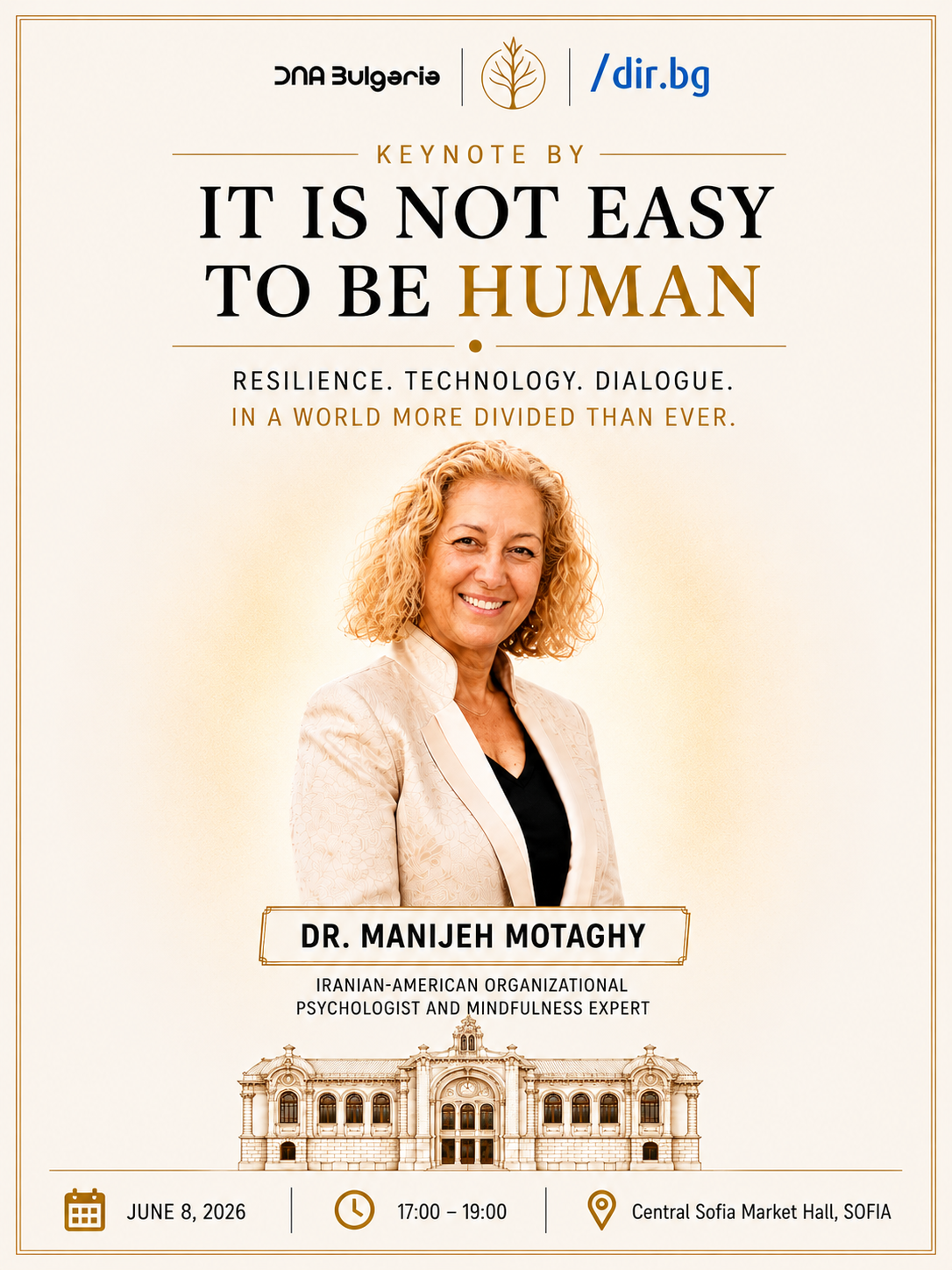
Let’s Not Leave Human Advancement Behind!
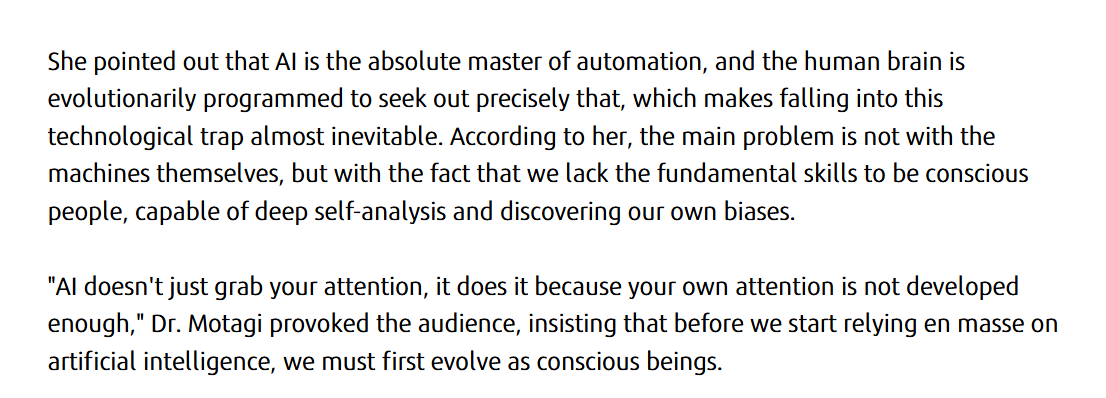
Dr. Motaghy’s work is grounded in a simple but often overlooked truth: “Our systems cannot be wiser, more ethical, or more sustainable than the humans who design and lead them.”
Across her keynotes and trainings, Dr. Motaghy makes a clear case: without completing human development, no matter how advanced our technologies or systems become, humans will continue to create problems and suffer the consequences, both foreseen and unforeseen.
Her work focuses on mitigating conflict, instability, and recurring human crises by advancing human development to keep pace with technological advancement.
Through her Mindful Life and Human Software Optimization framework, she provides the means for developing and strengthening essential human capacities enabling individuals, leaders, and societies—across generations, cultures, and backgrounds—to benefit from authentic, humane, and naturally intelligent ways of living and working.
This work resonates with and empowers leaders navigating complexity, disruption, and uncertainty—those who recognize that sustainable success depends not only on better strategies, but on wiser understanding, choice making, and innovating.
Testimonials

Through Manijeh’s guidance, I my decisions have greater clarity and objectivity. I engage with others more thoughtfully, and found a balance I never thought possible. Her tools transform how you lead, connect, and live. I wholeheartedly recommend her, especially for anyone navigating high-stakes environments who needs a grounded, wise, and deeply knowledgeable guide.”
Sunday Tsai, Technical Program Manager
“Studying Life Optimization with Manijeh, I’ve become a far more effective leader and manager by integrating empathy, loving kindness, self-compassion, and equanimity into the workplace. My insomnia, stress, anxieties, and self-doubts have greatly diminished. I feel far more patient, aware and comfortable with myself. “
Meryl Lander
Vice President, DataDirect Networks

“Manijeh delivered a powerful training to my team at Health Net on Strengths Finder 2.0 that transformed the way my team interacts with each other, and how they view themselves and others. Manijeh is an expert in her field and uplifts all who come in contact with her. I would recommend her hands down to anyone thinking of using her incredible services.“
Diane L. Baxter, Health Net of California



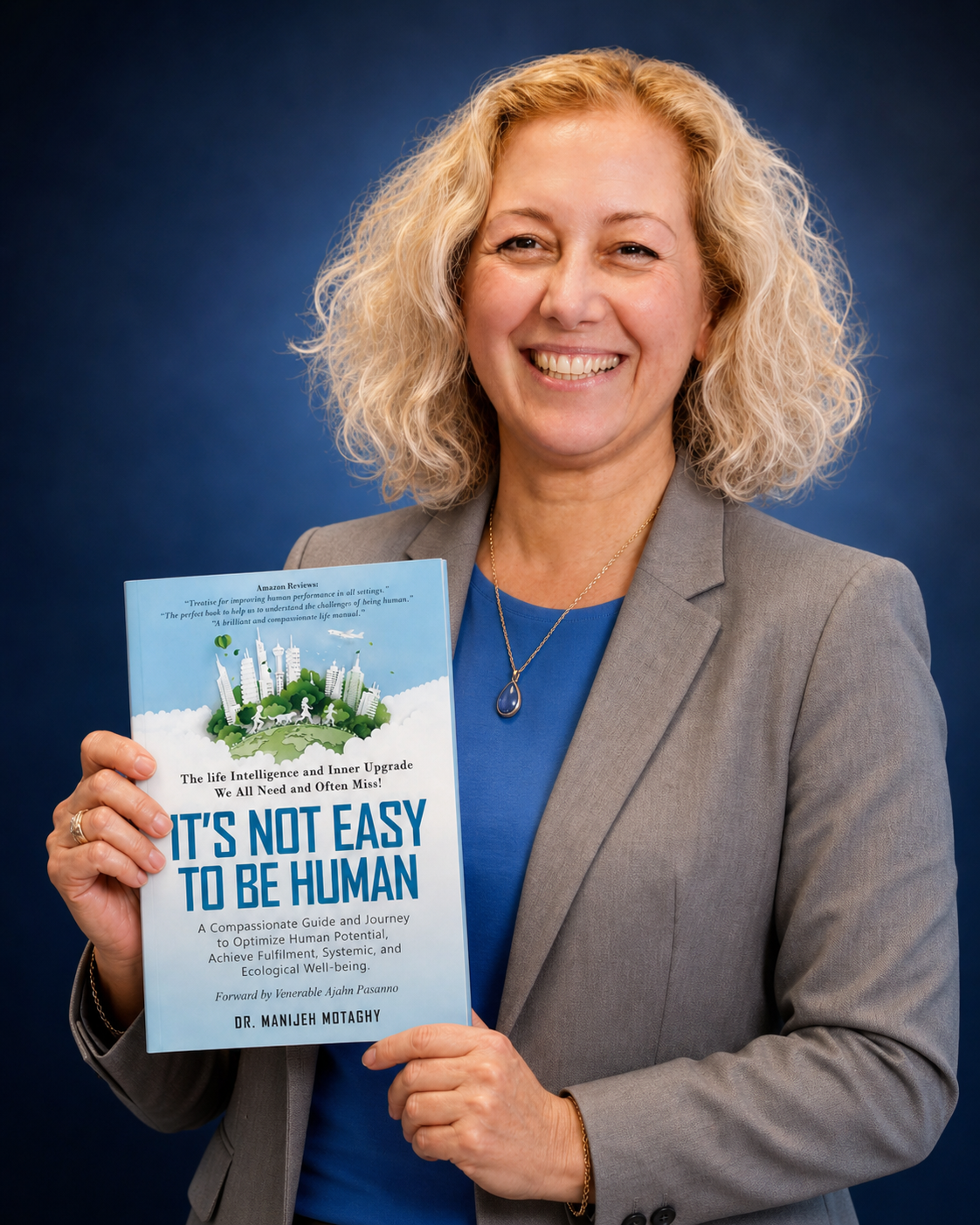
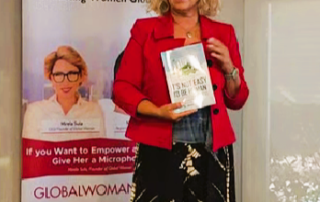
It’s Not Easy to Be Human
A Compassionate Journey and Guide to Optimize Human Potential, Achieve Fulfillment and Systemic and Ecological Well-Being
“What makes this book stand out is its structure. Built around sixty lessons and a five-stage developmental process, it provides readers with both conceptual insight and practical tools aimed at improving emotional, mental, and even physical well-being. The author introduces her “Mindful Life Optimization” methodology, which encourages readers to examine their internal patterns, biases, and behaviors in order to make more conscious, aligned decisions.”
“Dr. Motaghy doesn’t shy away from the reality that “being human” often feels messy and unresolved; instead, she leans into that discomfort and reframes it as an opportunity for growth. The writing often feels like a blend of coaching, philosophy, and gentle guidance—making it particularly appealing to readers interested in self-development and holistic well-being. For those willing to engage with its layered approach, the book offers a rich and meaningful experience.”